What Affects Emergency Roadside Repair Cost in Forrest City
Emergency roadside repair cost in Forrest City, AR depends on the repair type, truck size, parts needed, your location, and the hour you call. A clear failure description over the phone tightens the estimate.
Published
Part of our Emergency Roadside Repair service.
Why Roadside Repair Prices Vary So Much
Two breakdowns on the same stretch of I-40 can cost completely different amounts to fix. A blown air line by the exit ramp is a short job. A driveline failure twenty minutes past Brinkley, at two in the morning, with a loaded trailer is a different animal.
The truck itself matters too. A Class 8 semi carries heavier components than a box truck, and heavier parts cost more and take longer to swap. Before any number gets discussed, a good mobile mechanic narrows down what failed, where you are, and what the truck needs to get moving again.
Rickey Alexander Mobile Truck & Trailer Repair prices emergency roadside work off the actual job, not a flat panic rate. That starts with the factors below.
The Factors That Move the Price
| Factor | Why it changes the work |
|---|---|
| Type of failure | A tire or belt swap is fast; electrical diagnostics or transmission issues take longer to trace and repair. |
| Truck and trailer size | Heavy-duty components are bigger, heavier, and harder to handle than medium-duty parts. |
| Location and access | A shoulder stop near Forrest City is quicker to reach than a yard or shoulder far down the I-40 corridor. |
| Parts availability | If the right part rides on the truck, the fix happens now; if it must be sourced, the job takes a second step. |
| Time of the call | Overnight and weekend calls run outside normal hours, which affects how the labor is billed. |
| On-site conditions | Traffic, shoulder width, and weather all change how safely and quickly the work can be done. |
Every one of these gets factored in before a number is quoted. That is why the phone call matters: the more detail you can give about the failure and your location, the tighter the estimate gets. Vague descriptions force a mechanic to guess high, because guessing low leaves you stranded a second time.
How an Estimate Gets Put Together
A roadside estimate is built the same way a shop estimate is, just faster. First, the failure gets identified over the phone: symptoms, warning lights, noises, what happened right before the truck stopped pulling. That narrows the likely systems involved.
Next, the location gets confirmed with a mile marker or crossroad so travel time is realistic. Then the repair itself gets scoped: labor time for that job class, whether parts on hand will cover it, and whether the truck can be fixed road-safe on the shoulder or needs a short move to a safer spot.
What you should expect is a straight explanation of what failed, what it takes to fix it, and what the options are if a roadside fix is not the right call. If a repair cannot be completed honestly at the roadside, a tow or a shop plan gets discussed instead. No wrench turns before you know the plan.
Repair Type: The Biggest Single Variable
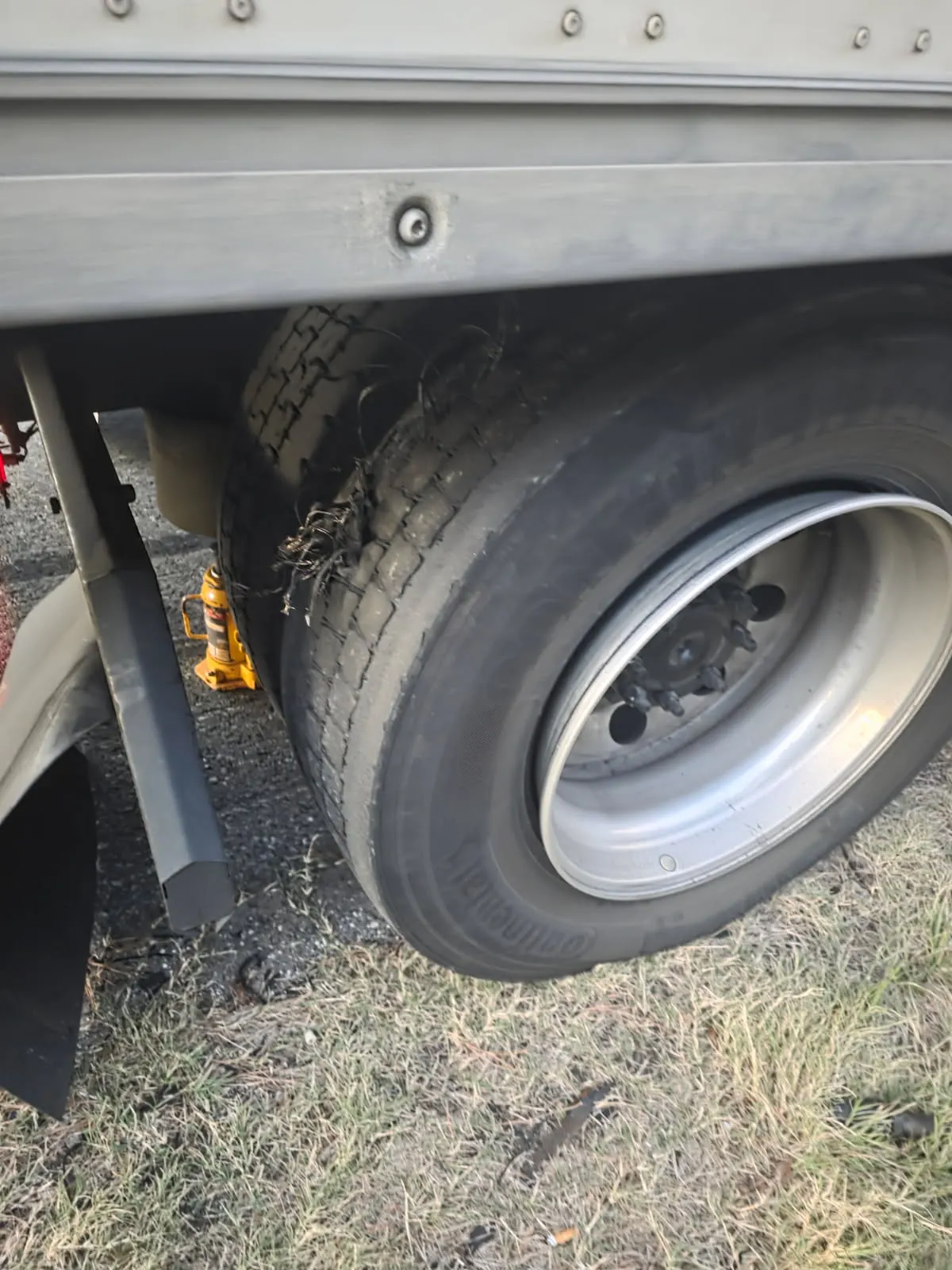
Ask ten drivers what drove their last roadside bill and most will say the repair itself. Some failures are naturally roadside work. Commercial tire replacement, air line and brake chamber issues, belts, hoses, batteries, and alternator or starter failures are all fixable on the shoulder with the right stock on the truck.
Other failures are diagnostics-heavy. Electrical faults that come and go, cooling system problems with no obvious leak, transmission issues, and hydraulic failures on dump bodies or liftgates take time to trace. Tracing time is labor time, and labor time is most of what you pay for on the road.
Knowing which category your failure falls into helps you read the estimate. If a mechanic explains that the first hour is diagnosis and the fix follows, that is normal roadside work, not padding.
Location Along the I-40 Corridor
Forrest City sits close to the interstate, which works in your favor. A breakdown near exit points around town means a shorter drive, less fuel, and a faster arrival than a stop far toward West Memphis or Helena-West Helena.
Distance affects cost because it affects the work before a wrench even turns. It also affects the decision. A failure that would be repaired on the shoulder five minutes from the shop might get a different recommendation at a remote stop, especially at night, if moving the truck is safer than working beside live traffic.
Give an accurate location when you call. A mile marker beats a landmark, and a crossroad beats a county. Accuracy here speeds the arrival and keeps the estimate honest.
How to Keep a Roadside Repair From Costing More Than It Should
Most of what inflates an emergency repair bill is avoidable. A few habits help:
Describe the failure clearly. Symptoms, sounds, and warning lights narrow the diagnosis before arrival.
Know your location. Mile markers, exit numbers, and crossroads cut travel time and confusion.
Ask for the plan first. What failed, what the fix is, and what happens if it cannot be fixed roadside.
Keep up with maintenance. Pre-trip inspections and fleet maintenance catch the belts, brakes, and batteries that become roadside emergencies.
An emergency call will always cost more than planned maintenance. The goal is to make sure the emergency call itself is efficient, fair, and gets you rolling.
When to Call for Roadside Help in Forrest City
If you are stopped on I-40, a state highway near Wynne or Marianna, or a local yard around Forrest City and the truck will not safely move, call. Emergency roadside repair exists for exactly that moment: air brakes that will not release, tires that will not hold air, electrical faults that killed the start, cooling systems that overheated under load.
Rickey Alexander Mobile Truck & Trailer Repair runs roadside service around the clock across Forrest City, Brinkley, West Memphis, Marion, and the surrounding corridor. You get a clear explanation of the failure and the fix before work begins, then a repair aimed at getting you back on the road.
Call (870) 270-4001 and describe what happened. The sooner the failure is understood, the sooner the estimate is solid and the truck is moving.
Ready to move forward? See our Emergency Roadside Repair service
Related guides
Written by the Rickey Alexander Mobile Truck & Trailer Repair team.
What Affects Emergency Roadside Repair Cost in Forrest City FAQs
Why does an emergency roadside call cost more than scheduling a shop repair?
Roadside work adds travel, carries the shop to you, and often happens at night or on weekends. The repair itself is priced like any other job; the difference is response, logistics, and working on a shoulder instead of a lift. In exchange, you skip a tow and a tow lot wait.
What information speeds up a cost estimate over the phone?
Your exact location with a mile marker or crossroad, the truck and trailer type, what the failure looks and sounds like, any warning lights, and what happened right before the breakdown. Accurate details let the mechanic bring the right parts and scope the labor before arrival.
Can most roadside failures be fixed on the shoulder in Forrest City?
Many can. Tires, air lines, brake chambers, belts, batteries, and starter or alternator failures are common roadside fixes. Diagnostics-heavy electrical faults, transmission problems, and some hydraulic failures may need a shop or a planned follow-up, and a straight mechanic will say so up front.
Does the cost change based on where I broke down near Forrest City?
Location affects travel time, which affects the job. Stops close to Forrest City and the I-40 exits are faster to reach than remote shoulders toward Brinkley or Helena-West Helena. Conditions matter too: shoulder width, traffic, and weather change how the work gets done safely.
Still have a question? Ask the mechanic directly. Ask a question