DIY vs Professional Emergency Roadside Repair: What's Worth It?
A few roadside problems, like a blown fuse or a popped gladhand, are safe DIY fixes. Anything touching brakes, tires, coolant, or electrical faults is professional work. A mobile mechanic on the I-40 corridor usually saves more time than DIY saves.
Published
Part of our Emergency Roadside Repair service.
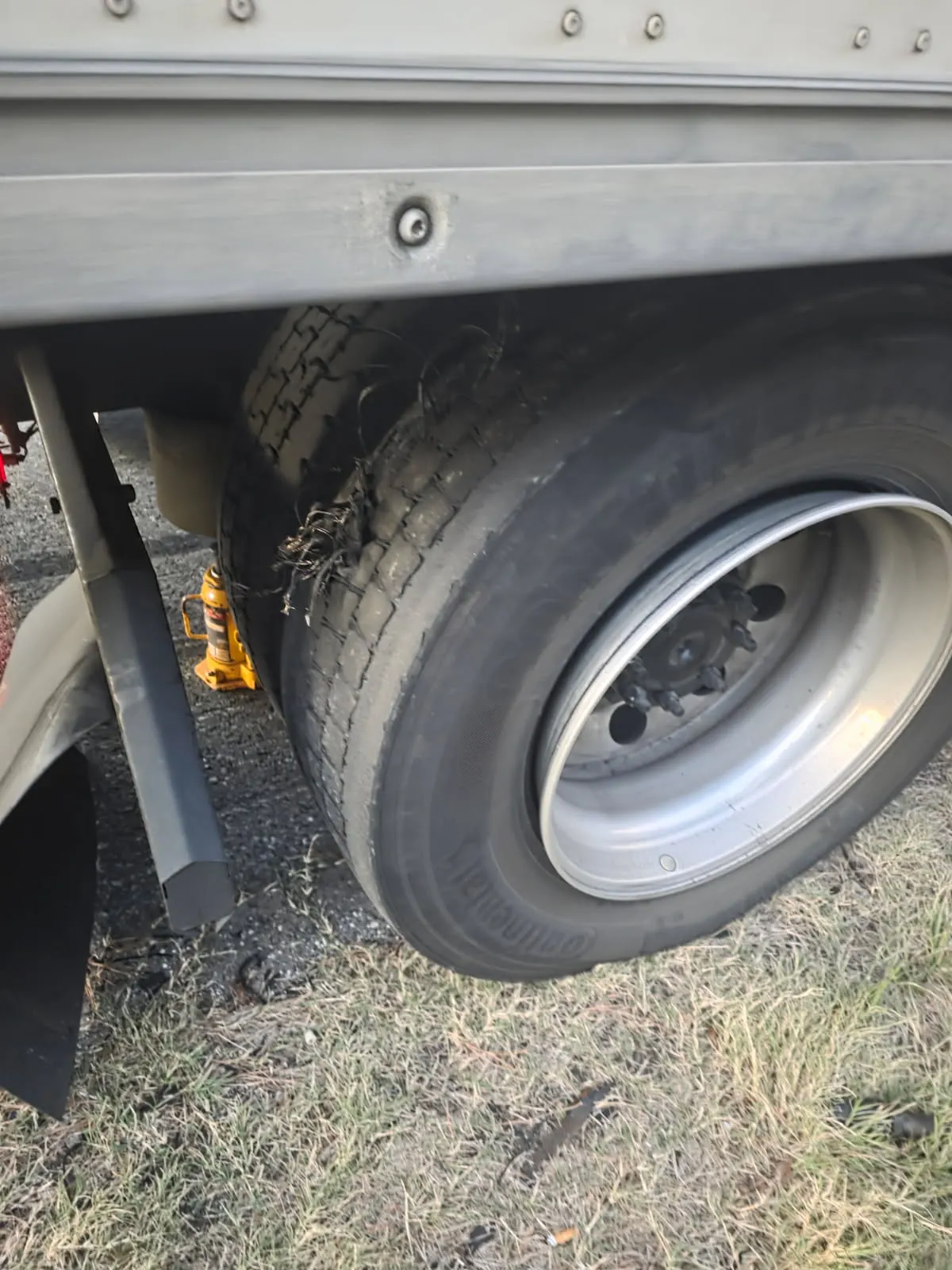
What You Can Realistically Fix Yourself on the Shoulder
A driver with basic tools and a good flashlight can handle a short list of roadside items. Seating a gladhand or latching a hose that popped loose takes minutes. Swapping a blown fuse, tightening a battery terminal, or cinching down a strap that shook loose are all fair game. This guide comes from Rickey Alexander Mobile Truck & Trailer Repair in Forrest City.
The common thread is simple. The fix is visible, you already have the parts or connections on the truck, and the repair does not require lifting, torque specs, or reading fault codes. If you can see the problem and reach it without crawling under a loaded trailer, DIY is worth a try.
Keep a fuse assortment, spare gladhand seals, and a torque check on your straps as part of a routine pre-trip inspection so the easy fixes stay easy.
What a Professional Mobile Roadside Repair Actually Covers
A mobile truck and trailer repair unit brings the shop to your mile marker. Heavy-duty jump equipment, air tools for tire and brake work, and the training to diagnose a diesel properly all show up with the truck.
At Rickey Alexander Mobile Truck & Trailer Repair, roadside calls cover air brake work, commercial tire replacement, electrical diagnostics, cooling system failures, alternators and starters, jumpstarts on semis, and hydraulic problems on dump beds and liftgates. The truck arrives, the diagnosis happens in front of you, and you hear what is wrong and what happens next before any wrench turns.
For a driver on a deadline near Forrest City, that is the whole point. One visit, one fix, back on the road, day or night.
How to Choose Between DIY and a Professional Call
| Factor | DIY roadside fix | Professional mobile repair |
|---|---|---|
| Safety risk | Low if visible and reachable | Managed with proper gear and training |
| Tools needed | Basic hand tools only | Heavy-duty equipment for the listed services |
| Time on shoulder | Long if diagnosis stalls | Usually one visit |
| Chance of a repeat tow | Higher on hidden faults | Low, root cause gets addressed |
| Best fit | Loose connections, fuses, straps | Brakes, tires, electrical, cooling |
The choice comes down to what you can see and what rides on getting it right. A loose gladhand or a blown fuse is a two-minute fix and nobody should call a truck for one. A brake issue, a tire that needs more than a visual check, a no-start with unknown fault codes, or a cooling system losing coolant are pro territory, every time. Those faults hide behind other symptoms, and guessing on the shoulder of I-40 costs more time than the call does. Drivers who try the visible fix first, then call when the problem is not obvious, tend to get rolling fastest.
The DIY Repairs That Turn Into Bigger Problems
The bad DIY stories usually start with a reasonable guess. Cooling loss gets topped off and driven, and the cracked hose or failed water pump dumps the rest of the coolant twenty miles later. A soft air brake pedal gets pumped through and limped along instead of stopped. A no-start gets jumped repeatedly until the real fault, a failing alternator or a grounded wire, strands the truck for good.
None of those drivers made a dumb call. They made a car-mechanic call on a heavy-duty truck. Semi systems run higher air pressures, higher amperage, and tighter tolerances than anything on a pickup, and a partial fix on the shoulder often converts a one-hour repair into a tow plus a shop visit.
Treat any symptom that returns after your fix as a signal the root cause is still in the system, and stop driving until it is diagnosed.
What DIY Actually Costs You on a Deadline
No prices here, just the math a driver already knows. Time on the shoulder compounds. Every extra hour is a late delivery, a detention conversation, a missed reload, or a reset of your clock. DIY carries a real time cost even when the fix works, and a bigger one when it does not.
A professional mobile repair covers the showing up and the fixing, which on the I-40 corridor between Forrest City, Brinkley, and West Memphis is usually a shorter wait than the drive to a shop, let alone a tow. You also skip the second breakdown risk that follows a guess-and-go repair.
For an owner-operator running a tight schedule, the honest comparison is not money against money. It is your hours on the shoulder against a mechanic handling the fault in one visit.
When to Call Rickey Alexander Instead of Reaching for Tools
Call when the fault involves brakes, tires, coolant, cranking, charging, or anything you cannot see clearly. Call when your fix did not hold, when fault codes are active, or when the truck is loaded and you would be working under it. Call at night, in weather, or anywhere traffic is close.
Rickey Alexander Mobile Truck & Trailer Repair runs emergency roadside service around the clock out of Forrest City, covering the I-40 corridor and the surrounding towns. Describe what the truck is doing and you will get a straight answer about what is likely wrong and how fast a service truck can reach you.
Do the easy fix yourself if you have it in reach. For everything else, one call to (870) 270-4001 gets a mobile mechanic moving toward your mile marker.
Ready to move forward? See our Emergency Roadside Repair service
Related guides
Written by the Rickey Alexander Mobile Truck & Trailer Repair team.
DIY vs Professional Emergency Roadside Repair: What's Worth It? FAQs
What roadside repairs are safe to do myself on a semi?
Visible, reachable fixes only: seating a gladhand, swapping a blown fuse, tightening a battery terminal, resetting a popped hose connection, or cinching a loose strap. Anything requiring you to get under the truck, work on brakes or tires, or interpret fault codes belongs with a mobile mechanic.
Is DIY roadside repair worth it for an owner-operator?
Only for the short list of simple fixes. On a deadline, your hours on the shoulder often cost more than a professional call, and a partial DIY repair on brakes, cooling, or electrical systems frequently turns into a tow plus a bigger repair later.
Can a mobile repair truck handle most breakdowns on the spot?
Most common roadside failures, including tires, air brakes, batteries, alternators, starters, cooling components, and electrical faults, can be diagnosed and repaired at the breakdown site. A properly equipped service truck carries the heavy-duty tools needed to close most calls in one visit.
How do I know if my roadside fix failed?
The symptom returns, warning lights stay active, or the truck behaves differently under load. A fix that holds should feel invisible. If the same gauge, noise, or pedal feel comes back within a short drive, stop guessing and have the root cause diagnosed properly.
Still have a question? Ask the mechanic directly. Ask a question